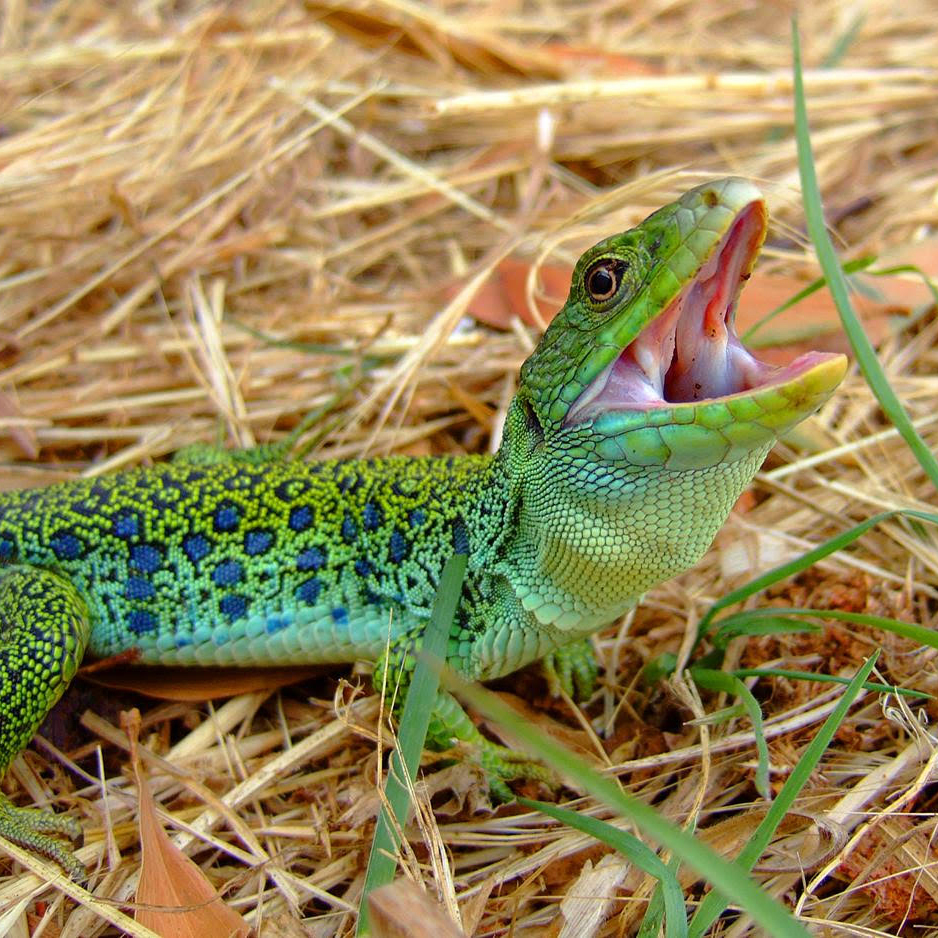
The Vale do Lourêdo hosts a diverse community of wildlife typical of the mountain landscapes of Northern Portugal. Located near the Serra do Alvão and integrated within the Alvão–Marão Natura 2000 network, the valley provides habitats for a variety of mammals, reptiles, amphibians, birds and insects.
The combination of native forests, riparian vegetation and rocky mountain slopes creates favourable conditions for many species adapted to the Atlantic ecosystems of the northern Iberian Peninsula.
Nature guides reveal the different animal species that occur in the Vale do Lourêdo, presenting information about their biological characteristics, habitats and ecological importance within the valley.
The fauna of the valley reflects the ecological diversity of the surrounding mountain landscape. Forest habitats, river corridors and open mountain areas support numerous species that depend on these ecosystems for shelter, reproduction and feeding.
These environments also form part of a wider ecological corridor connecting the Serra do Alvão, the Marão mountains and the Tâmega Valley, which contributes to maintaining regional biodiversity.
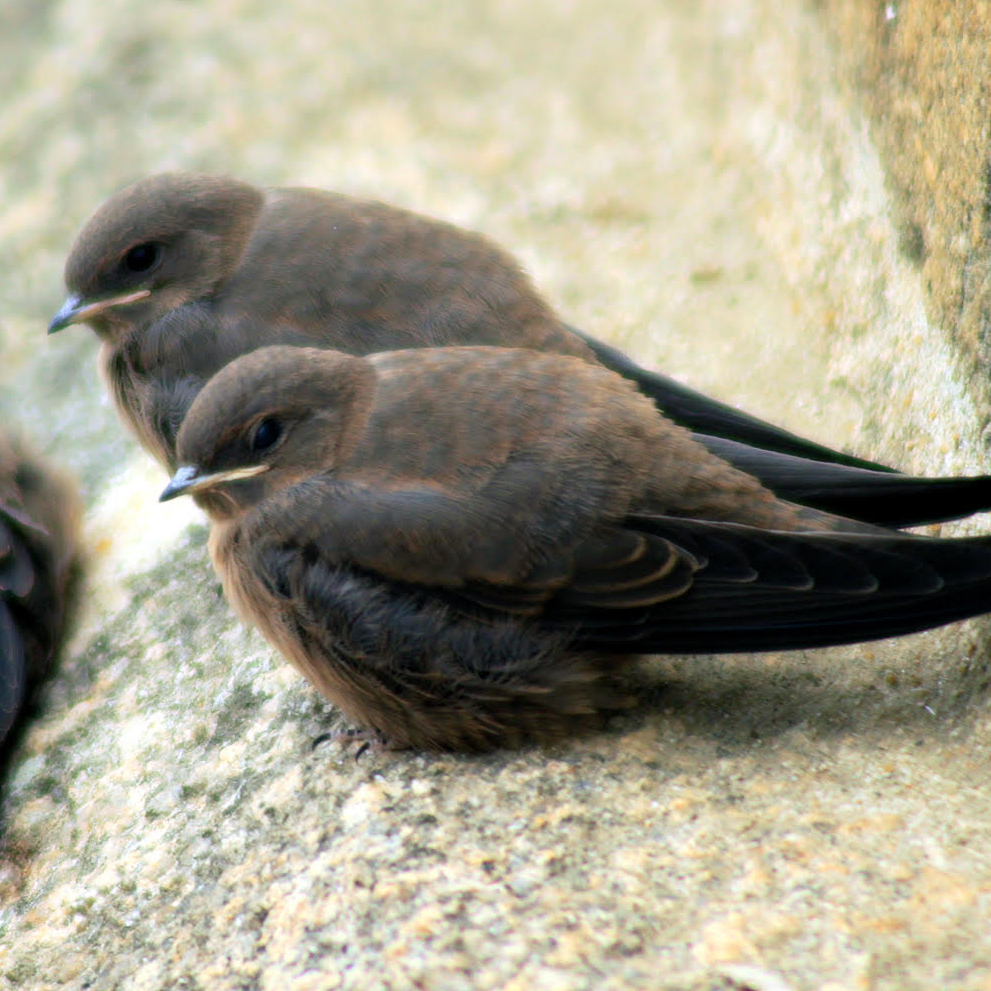
Both sexes look similar, although juveniles tend to have slightly paler feather edges
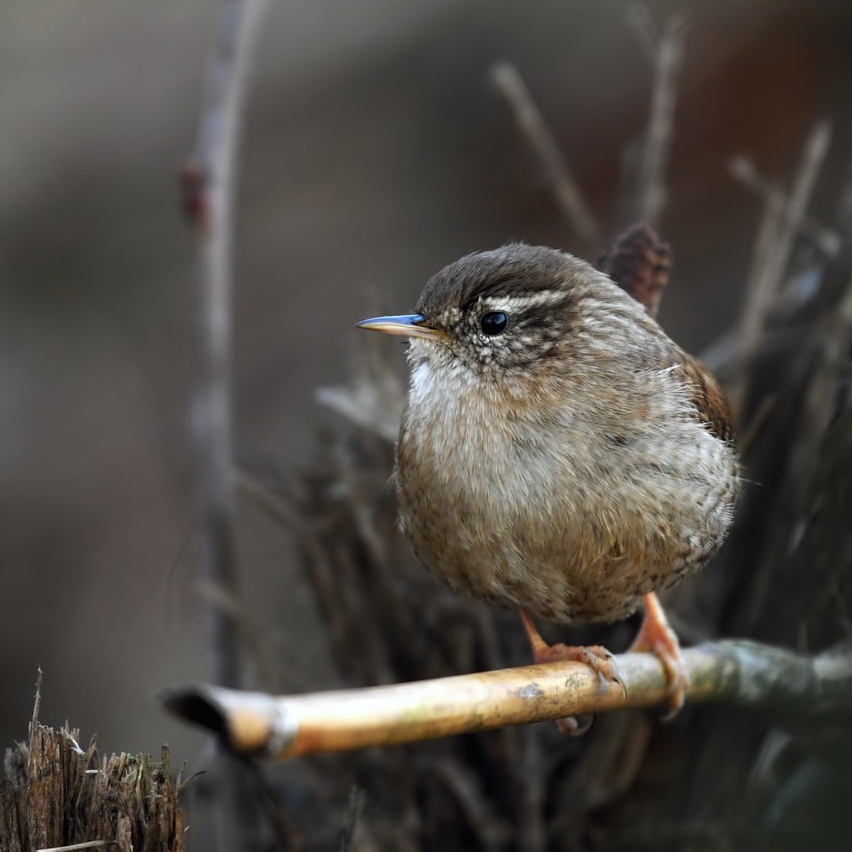
The bird also has a thin slightly curved bill, adapted for catching insects
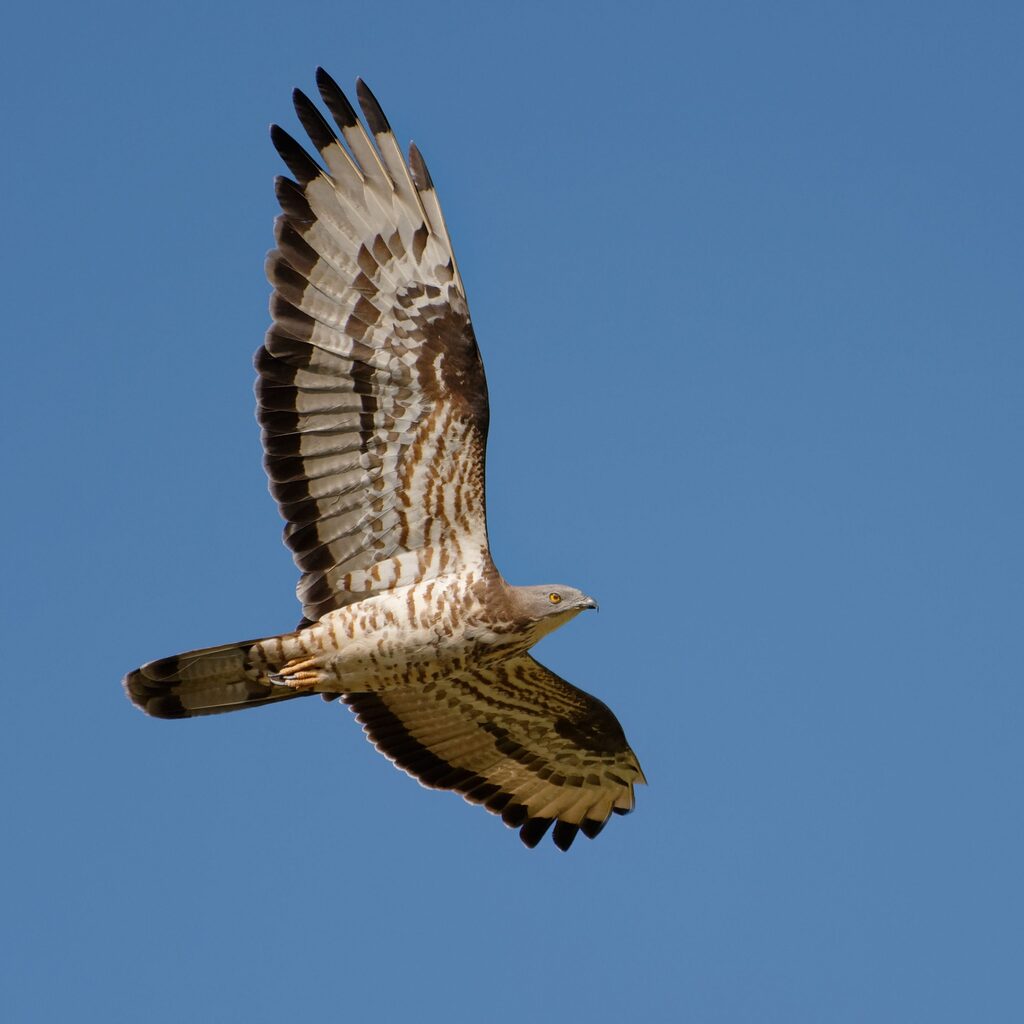
Males often display a bluish-grey head, while females tend to have a browner head
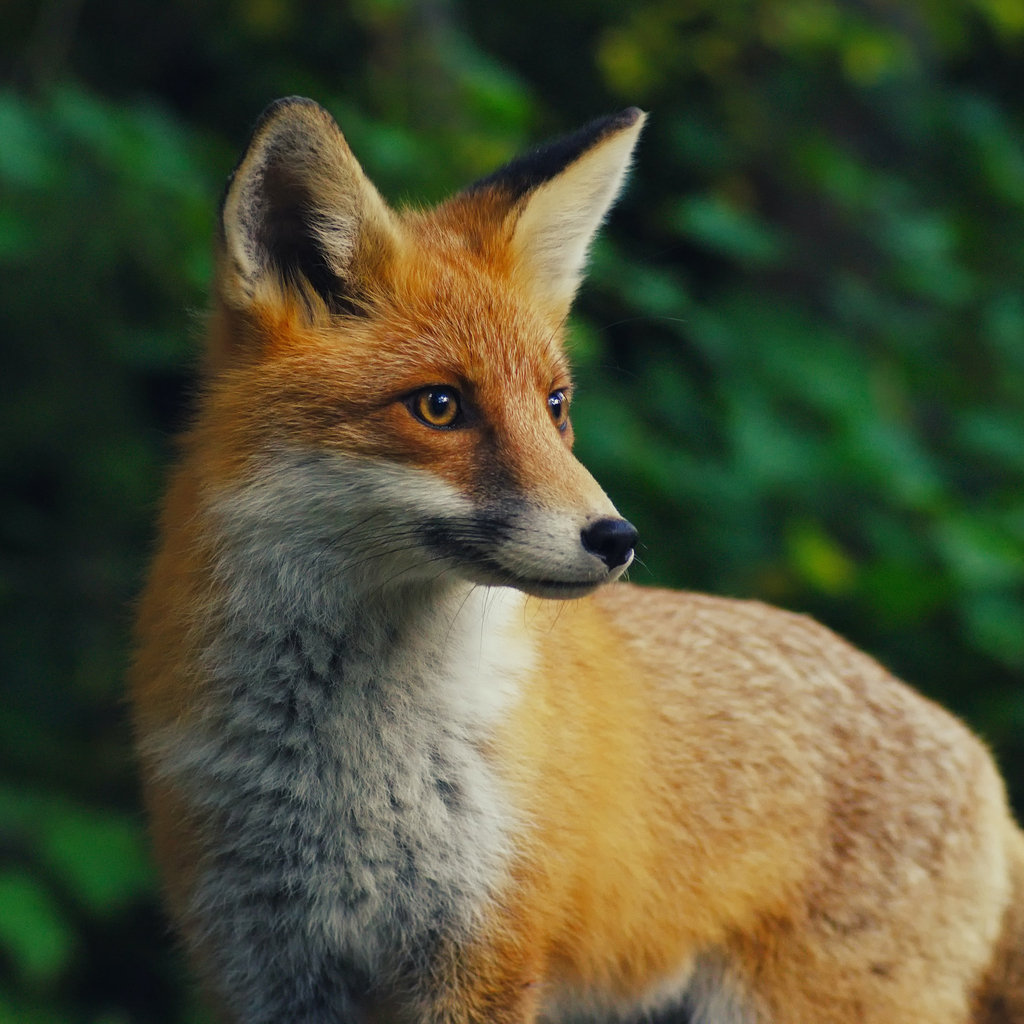
Adult individuals usually measure 90 to 150 cm in total length including the tail, and weigh between 3 and 10 kg
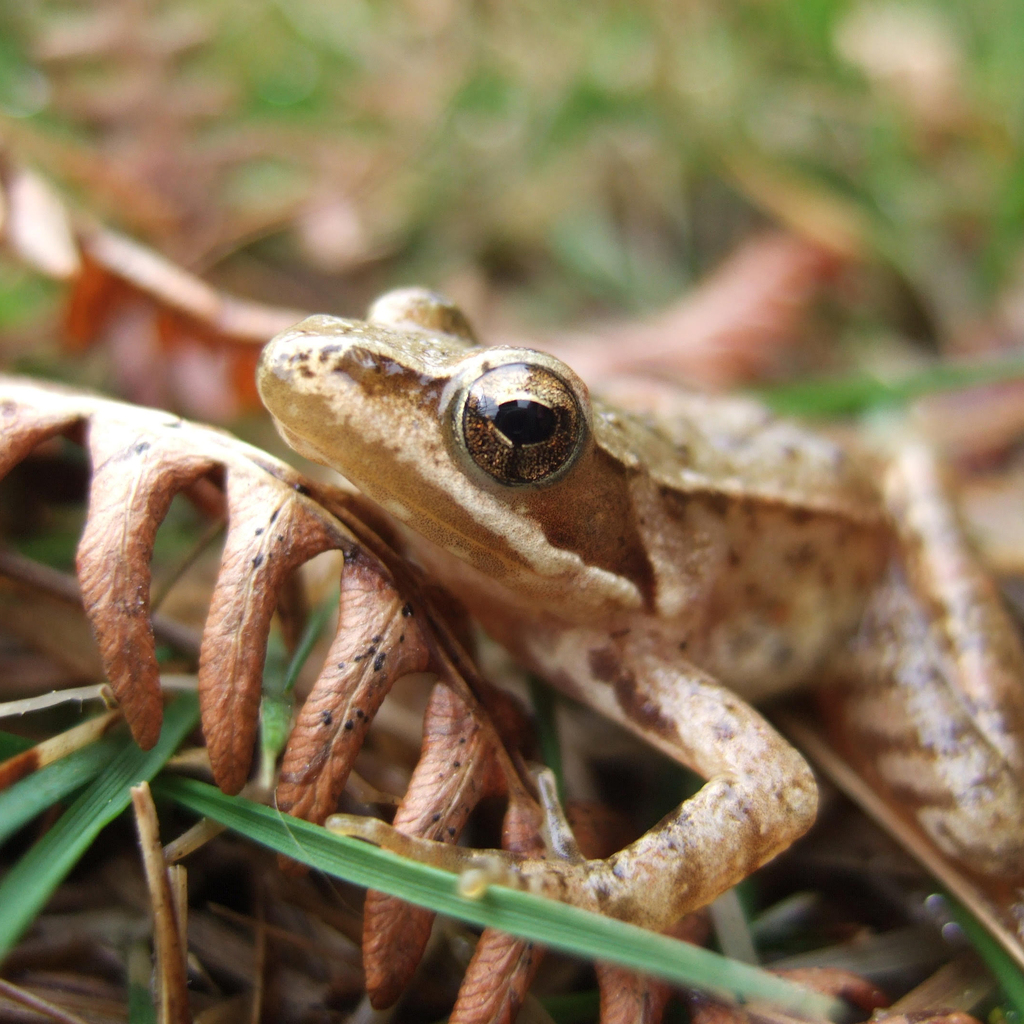
The hind legs are well adapted for jumping and swimming, and the frog quickly dives into the water when disturbed
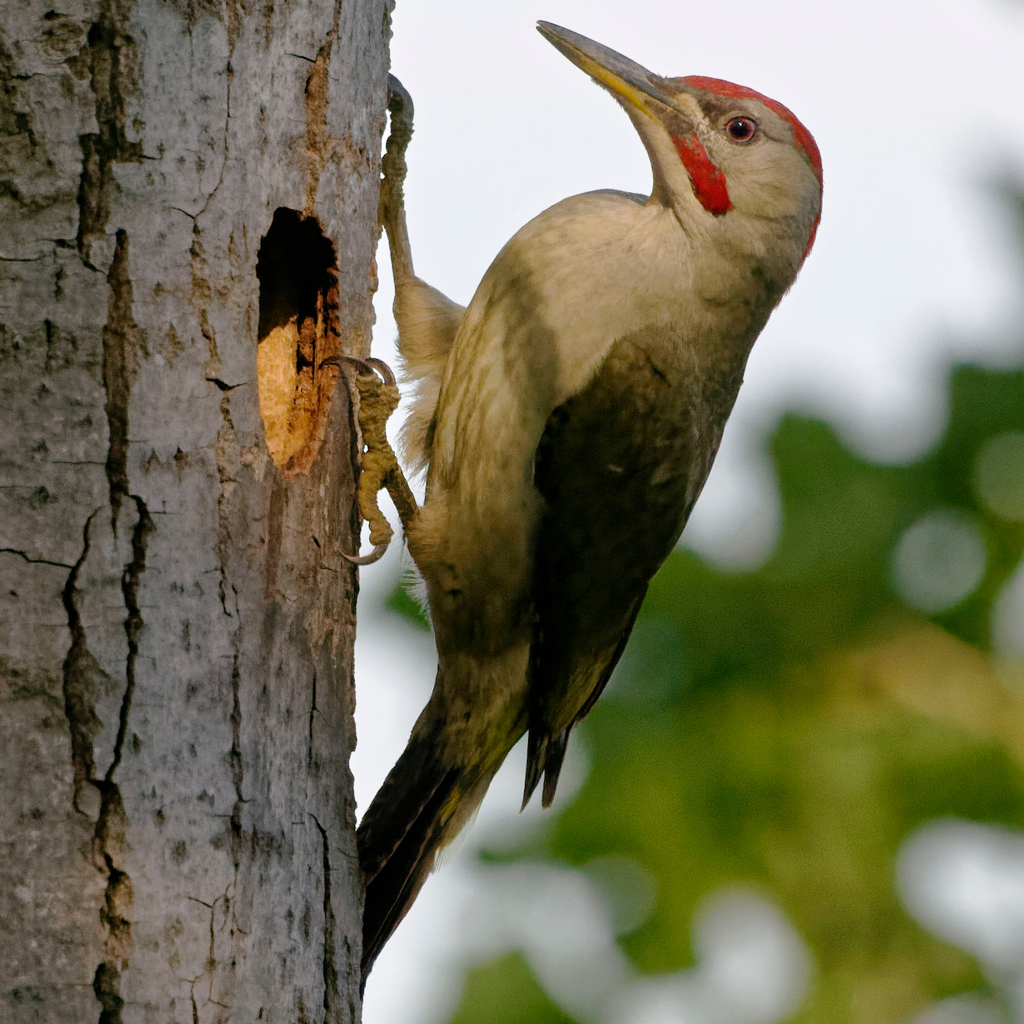
Like other woodpeckers, it nests in tree cavities, which it excavates itself in trunks or large branches
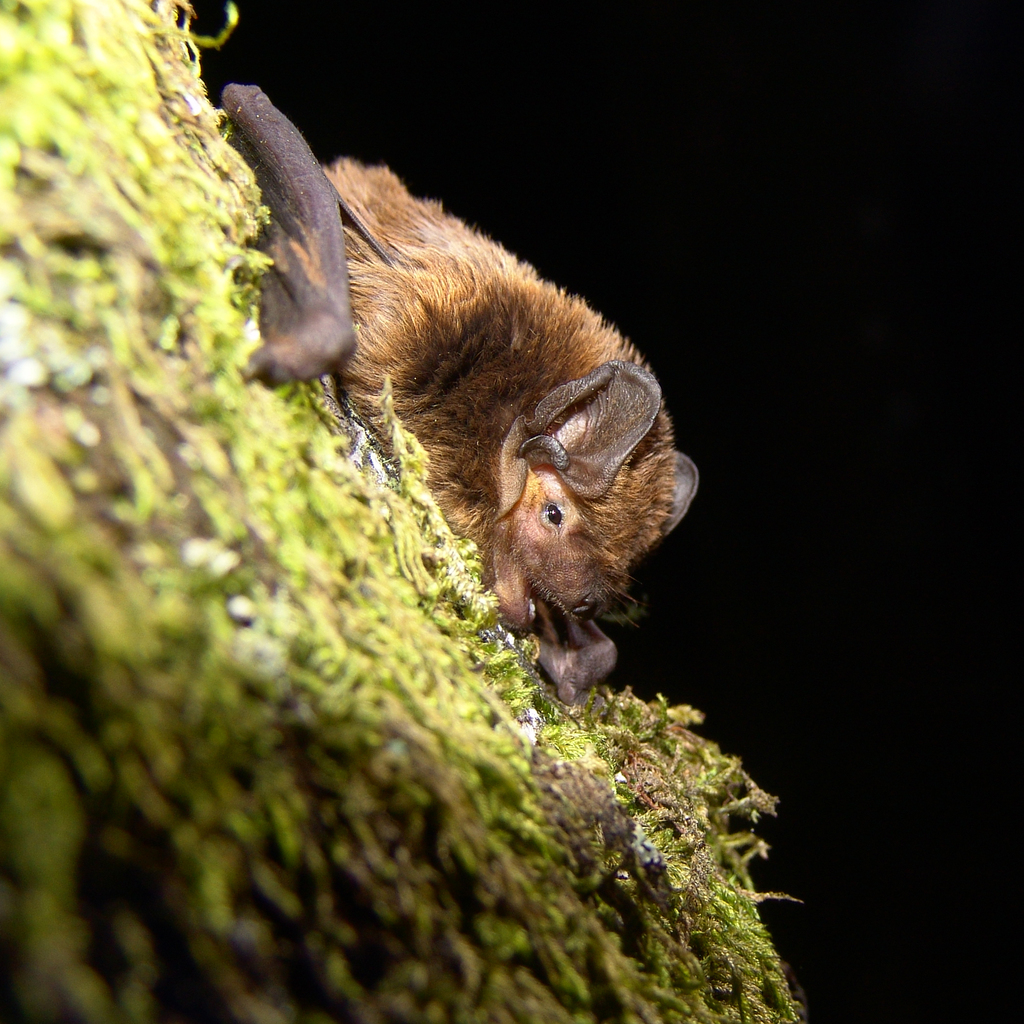
The bat has long narrow wings that allow it to fly quickly and efficiently while hunting insects in open air
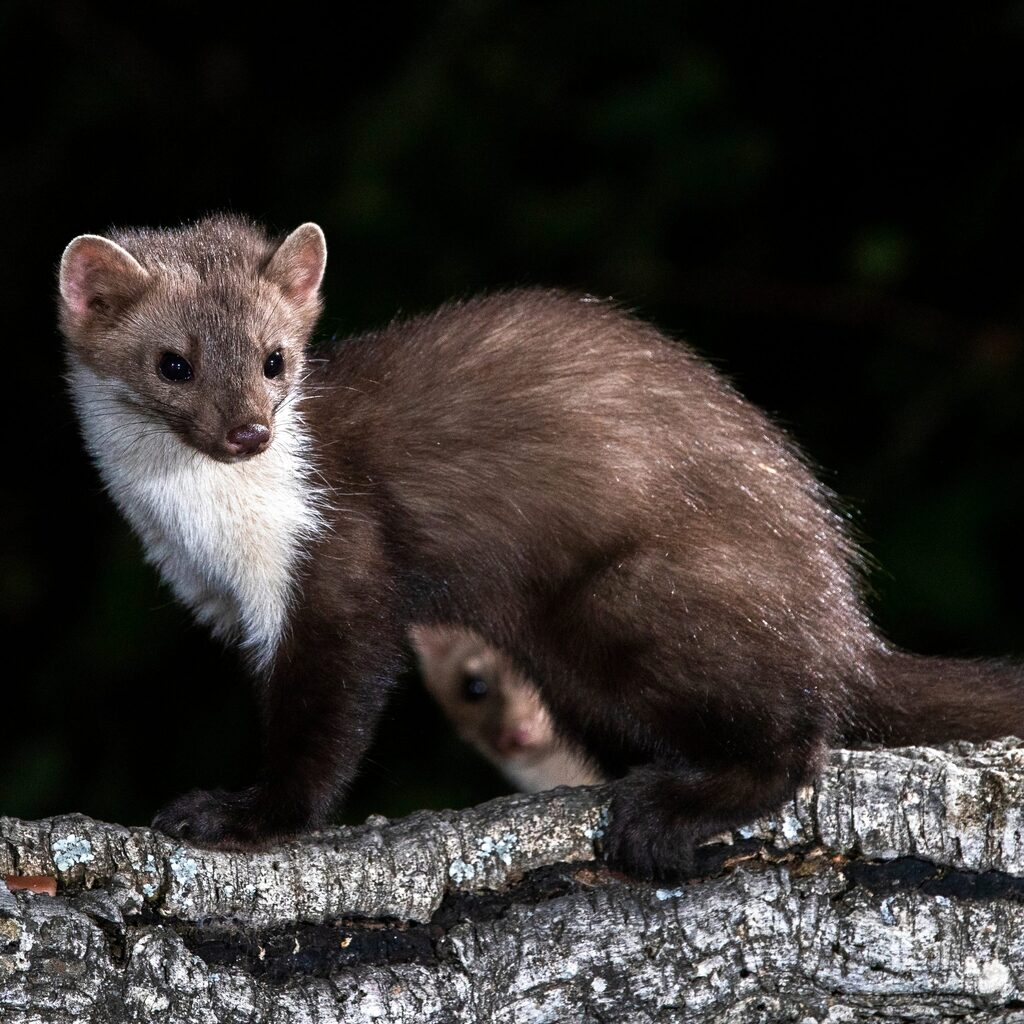
Its fur is generally brown or grey-brown, and one of its most distinctive features is the white throat patch
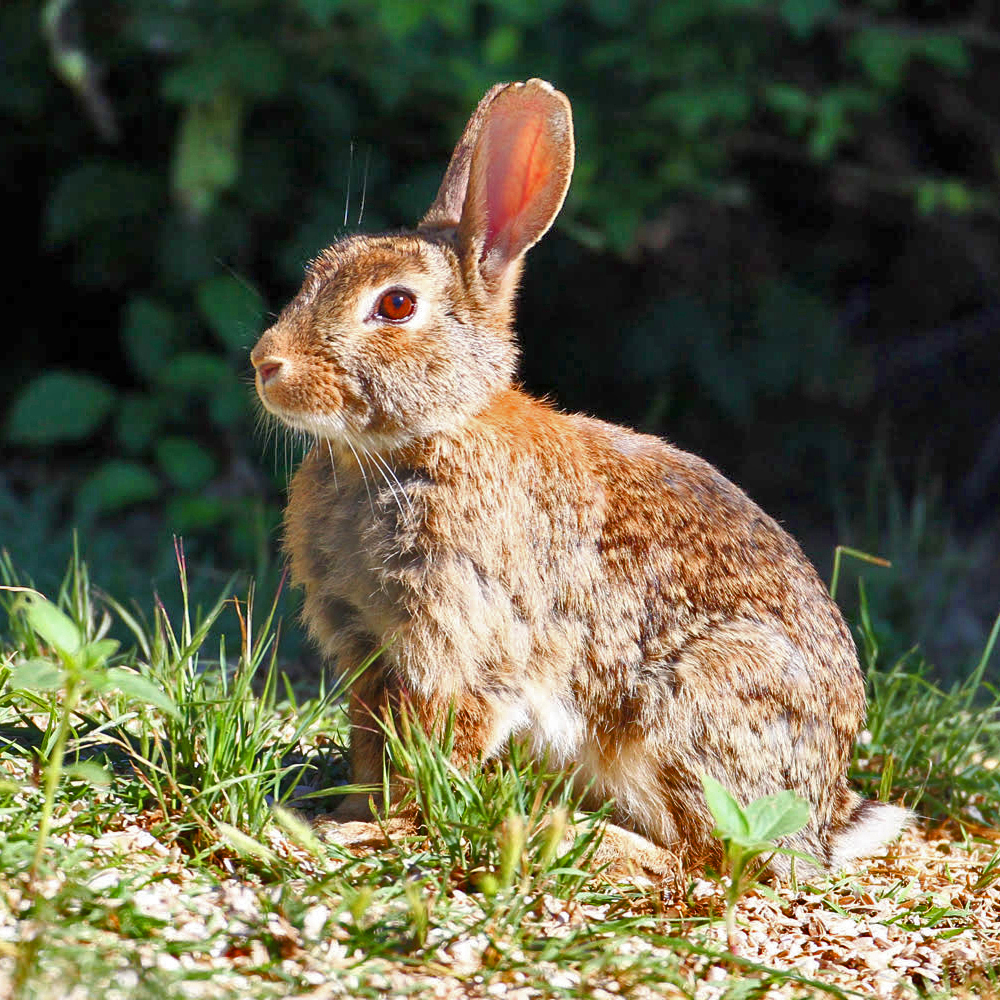
Its fur generally ranges from grey-brown to sandy tones, helping it blend into natural environments
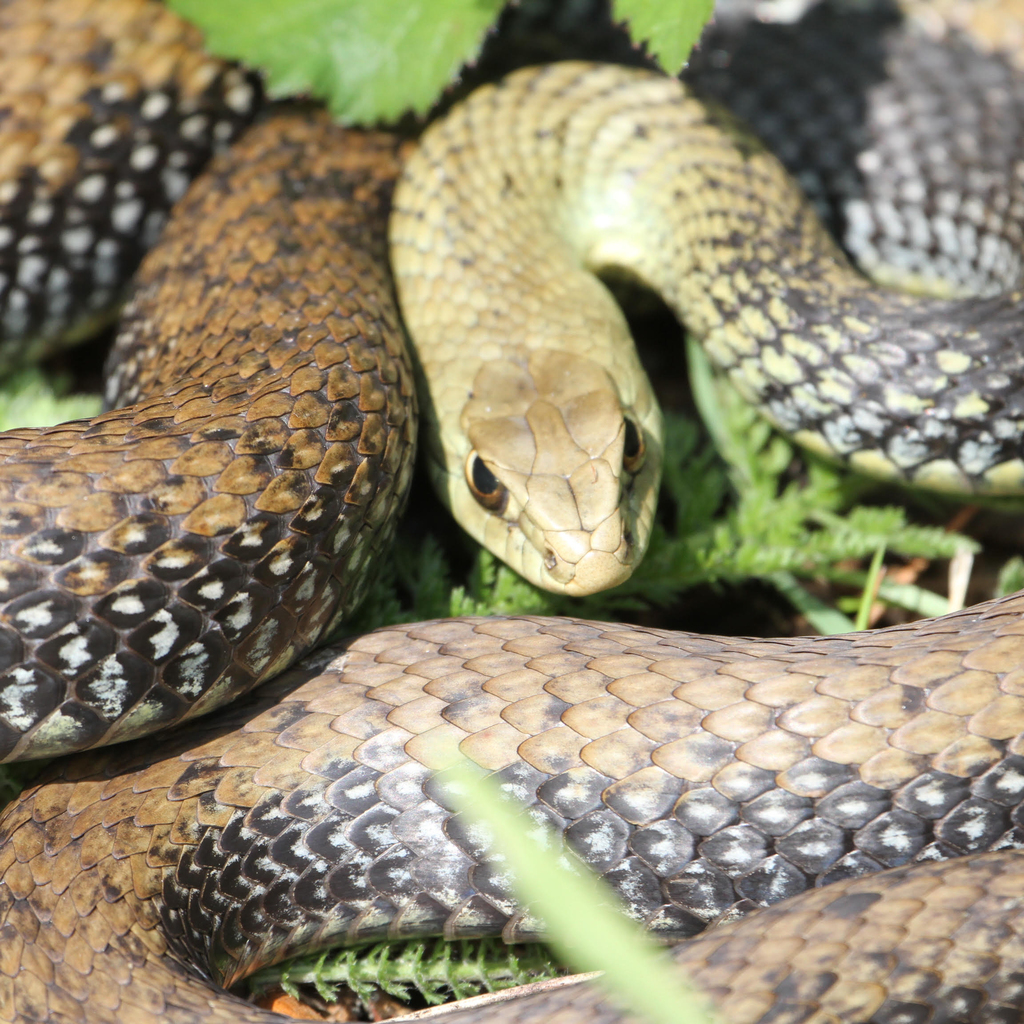
Males are usually larger than females, and exceptional individuals can reach lengths of more than 2.5 metres
The presence of diverse fauna species is an indicator of healthy ecosystems. Native forests, river corridors and traditional rural landscapes create the conditions necessary for wildlife to thrive.
Protecting these habitats is essential to maintain biodiversity and ecological stability in the mountain landscapes of Northern Portugal.
The wildlife of the Vale do Lourêdo is part of a wider landscape of mountains, forests and river ecosystems across Northern Portugal.
These environments can also be explored through private and curated journeys across Northern Portugal, designed to reveal the region’s wildlife, landscapes and cultural heritage.